


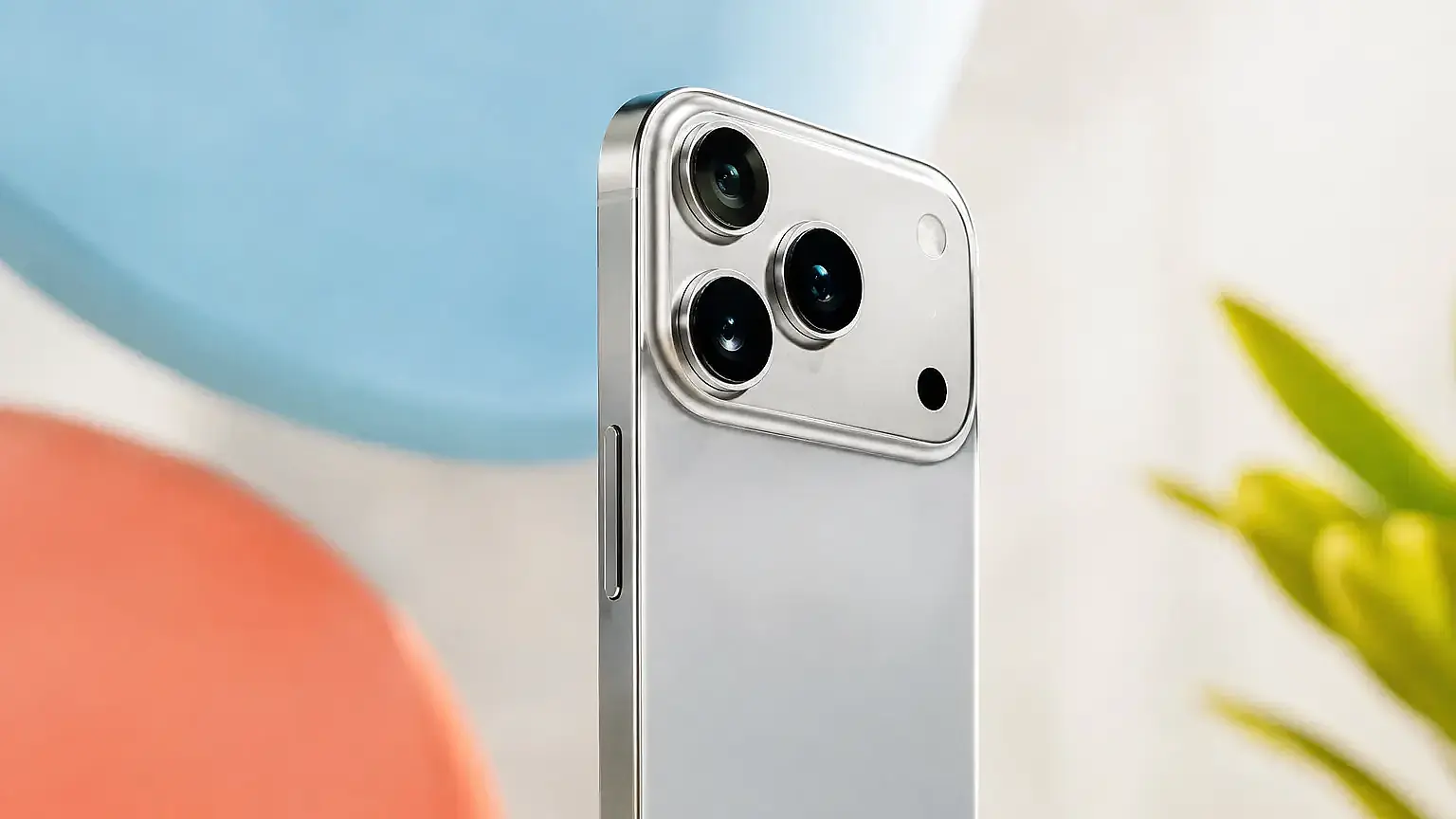
Why the iPhone 18 Pro launch looks different
The iPhone 18 Pro arrived with a change photographers can actually use: its 48-megapixel main camera now has a variable aperture. That lets the lens adjust how much light enters, giving people more control over low-light shots and how much of a scene stays in focus.
But there is an important wrinkle in this year’s launch. Apple announced the iPhone 18 Pro and iPhone 18 Pro Max on September 9, 2026—not a standard iPhone 18. The Pro models went on sale September 18. Apple has not announced a release date for a standard iPhone 18, so it would be inaccurate to describe the whole lineup as having launched.
The split makes this a more unusual iPhone season: the models Apple has confirmed are its higher-priced Pros, while the regular model is absent from the announcement. For people deciding whether to upgrade, the clearest story is not a sweeping redesign. It is a set of practical changes, led by a camera feature that separates this generation from the iPhone 17 Pro.[1]
Official Apple iPhone 18 Pro launch video
iPhone 18 Pro puts aperture control on the main camera
On the iPhone 17 Pro, the 48MP main camera uses a fixed aperture. The iPhone 18 Pro keeps the 48MP resolution but adds variable aperture, with four settings: ƒ/1.48, ƒ/1.8, ƒ/2.8 and ƒ/4.0. In everyday terms, the wider setting can help in dimmer conditions, while a narrower opening can keep more of a scene sharp.
That flexibility matters for more than people who already think in camera settings. A phone that can adjust its aperture gives users another way to shape an image, whether they are photographing dinner indoors, a person against a busy background, or a group where faces need to stay clear. Apple also says the camera brings new controls in the Camera app, so people can get to settings they use more often.
The upgrade does not guarantee every picture will look dramatically different. Lighting, movement and how someone frames a shot still matter. But compared with the iPhone 17 Pro’s fixed-aperture main camera, this is a concrete hardware change—not just a new image-processing promise.[2]


A smaller Dynamic Island and a faster chip
There are everyday changes beyond the camera. Apple says the iPhone 18 Pro models have a smaller Dynamic Island, the area around the front camera and alerts. It is a modest visual adjustment, but one people may notice whenever notifications, timers or live activities appear.
Inside, the A20 Pro replaces the iPhone 17 Pro’s A19 Pro. Apple pairs it with a next-generation vapor chamber, a cooling system intended to help the phone sustain performance. That could matter most during demanding tasks, such as gaming, video work or other workloads that keep the processor busy. Apple describes the result as the highest sustained performance in iPhone history.
As with any performance claim, the practical difference depends on what someone does with a phone. A person who mainly messages, browses and takes casual pictures may not feel a major speed change in every moment. The more noticeable benefit may be extra headroom for intensive work, rather than a dramatic transformation in routine use.[1]
Battery life and the Siri promise
Battery life is another headline, especially on the iPhone 18 Pro Max. Apple calls its battery-life gain the largest increase ever on an iPhone. That is a manufacturer claim, not a guarantee that every owner will get the same result: screen brightness, mobile signal and app use all affect how long a charge lasts.
The launch also puts renewed attention on Siri AI and Apple Intelligence. Apple says the phones run iOS 27 and introduce a more personal, conversational Siri with features including personal-context understanding and onscreen awareness. Siri AI began rolling out in beta on September 14, 2026. The software ambitions may attract interest, but they are distinct from the physical upgrades—and beta availability means the experience is still being introduced.
For comparison, the iPhone 17 Pro already brought an A19 Pro chip, a vapor chamber and substantial battery improvements. So this year’s pitch is an evolution of those strengths: a newer chip and cooling design, a smaller Dynamic Island, and a more significant camera change.[1]
The biggest takeaway for shoppers
The iPhone 18 Pro starts at $1,199 in the United States, and the Pro Max starts at $1,299. Both were available from September 18, 2026. Apple lists four finishes—burgundy, glacier, silver and black—and storage options ranging from 256GB to 2TB.
For people with an iPhone 17 Pro, the case for upgrading rests most clearly on the variable-aperture camera, alongside battery and performance improvements. If those are not pain points, the smaller Dynamic Island or new chip alone may feel less compelling. Owners of older phones may have more reason to notice the combined changes, but the right choice still depends on budget and use.
And if you are waiting for a less expensive, standard iPhone 18, patience is the sensible move: Apple did not include one in its September announcement, and it has not officially confirmed when that model will arrive. The clearest takeaway from this launch is a more camera-focused Pro upgrade—and an iPhone lineup whose usual fall rhythm has changed.[1]
Sources















Comments
0 comment