









The best cyberpunk movies of the last 20 years owe plenty to the films that came before them. Blade Runner, Akira, Ghost in the Shell, and The Matrix each left their mark on the genre, creating worlds and ideas that filmmakers are still playing with decades later. Yet cyberpunk has never needed to follow one particular blueprint to work.
Over the past two decades, filmmakers have taken those foundations in wildly different directions. Huge dystopian cities still have their place, but so do stories about artificial intelligence, digital consciousness, body modification and technology getting uncomfortably close to everyday life. The result has been a remarkably varied run of cyberpunk movies, including blockbusters, indies and animated stories that stretch the genre well beyond its typical imagery.
8 The Matrix Resurrections Turns the Genre's Biggest Legacy Against It

The original Matrix is one of those few films that helped bring cyberpunk into the mainstream in 1999. It popularized bullet time, brought Hong Kong-style wire work to a huge Western audience and helped reshape action cinema, all while turning Neo, Trinity and the red pill into pop-culture fixtures. That made The Matrix Resurrections a risky return 22 years later.
Lana Wachowski leaned straight into that history, trapping Neo in a world where his old life has been repackaged as a successful video game trilogy. Fans remain fiercely split over the meta approach and weaker action, something reflected in its matching 63% critic and audience scores on Rotten Tomatoes. However, its willingness to question what happens when a rebellious story becomes valuable intellectual property gives this sequel a reason to exist beyond simply reopening the Matrix.
7 Dredd Traps Its Cyberpunk Nightmare Inside One Tower

Before Karl Urban became The Boys' foul-mouthed vigilante Billy Butcher, he was already cleaning up a very different lawless world in the 2012 adaptation of the popular sci-fi comic. In Pete Travis' Dredd, Urban plays Judge Dredd, one of the armed law enforcers given the power to arrest, sentence and execute criminals in the sprawling Mega-City One. Alongside rookie Judge Anderson (Olivia Thirlby), he gets trapped inside Peach Trees, a 200-story slum tower ruled by Lena Headey's drug lord Ma-Ma.
That single building is enough for Dredd to deliver its cyberpunk nightmare. Around 75,000 people live inside Peach Trees, while Ma-Ma floods it with Slo-Mo, a drug that makes users experience time at one percent of its normal speed. The movie's gorgeous slow-motion violence became one of its signatures, helping Dredd earn an 80% Rotten Tomatoes score and, after disappointing at the box office, a cult following that has kept sequel talk alive for years.
6 Upgrade is a Modern Cyberpunk Horror Masterpiece

Directed by Leigh Whannell, the 2018 cyberpunk thriller Upgrade stars Logan Marshall-Green as Grey Trace, a mechanic left paralyzed after an attack that killed his wife. His chance to walk again comes through STEM, an experimental AI chip implanted in his spine that can control his body, speak inside his head, and eventually fight for him.
Whenever STEM takes over, Grey's body moves with machine-like precision while his face reacts in shock to what his own hands are doing. The film earned 88% on Rotten Tomatoes, but its real cyberpunk hook is the loss of control. STEM begins as assistive technology and gradually makes Grey a passenger inside his own body, and it’s no less scary than any horror.
TRON: Legacy | Trailer
5
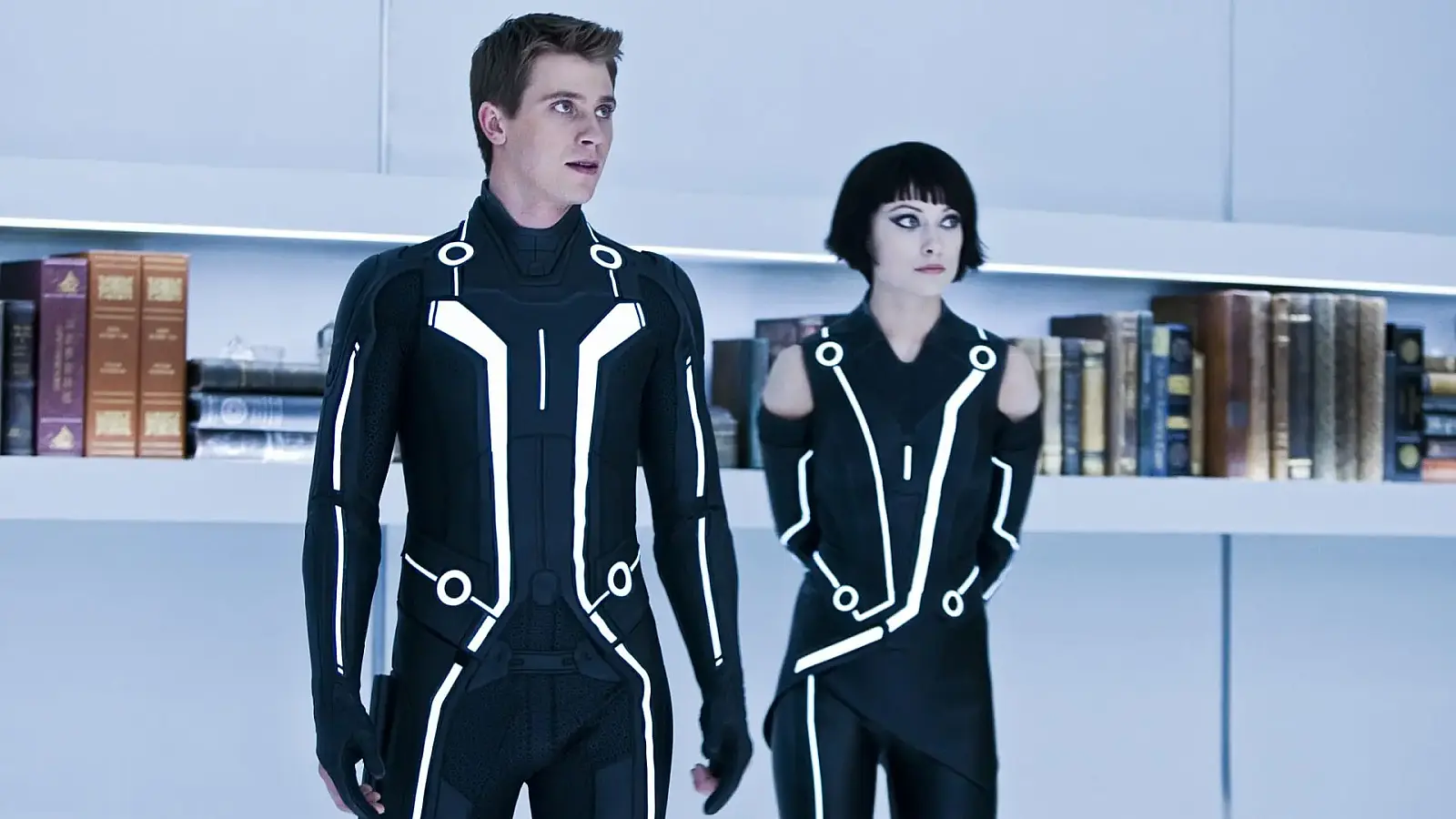
Long before cyberspace became standard science-fiction space, 1982's Tron imagined humans entering a computer world where programs lived under an authoritarian system. Joseph Kosinski's Tron: Legacy takes that cyberpunk idea much further. Garrett Hedlund's Sam Flynn enters the Grid looking for his missing father, Kevin Flynn (Jeff Bridges), only to find it ruled by Flynn's digital copy, CLU, who has turned a dream of technological perfection into a dictatorship.
The 51% Rotten Tomatoes score undersells what Tron: Legacy does exceptionally well. Its glowing architecture, Light Cycles and digital inhabitants make technology the actual world rather than futuristic decoration, while Daft Punk's electronic-orchestral score gives the Grid its pulse. Few cyberpunk movies have committed their vision completely to living inside the machine.
4 Possessor Does More With One Cyberpunk Idea Than Most Blockbusters
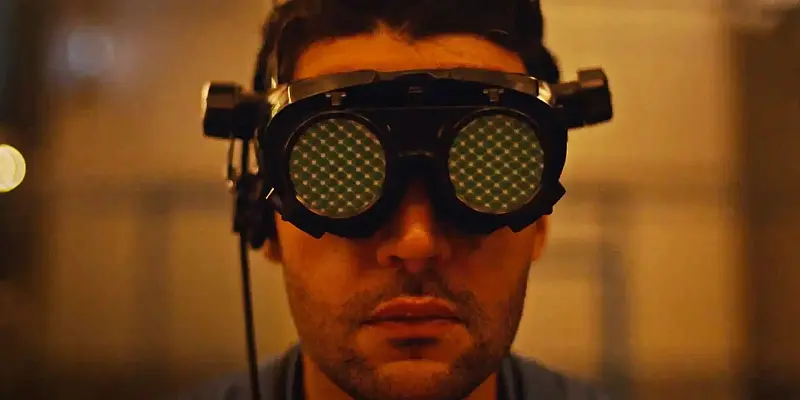
Possessor largely flew under the radar in 2020, but Brandon Cronenberg's sci-fi thriller has one of the strongest cyberpunk premises of the past decade. Andrea Riseborough plays Tasya Vos, a corporate assassin whose consciousness is implanted into other people's bodies, allowing her to carry out killings while somebody else literally takes the fall. When her latest host, Colin Tate (Christopher Abbott), begins fighting back, control of the same body becomes a battle between two minds.
Cronenberg keeps the world small and lets that idea do the work. Bodies become corporate tools that can be entered, controlled and discarded, while identity starts disappearing along with physical autonomy. Possessor earned 94% on Rotten Tomatoes, yet never needed a futuristic city to sell its cyberpunk world. Its brain-implant technology and brutal practical imagery say plenty with very little.
3 Ex Machina Makes Big Tech the Heart of Its Cyberpunk Story

Ex Machina barely looks like a traditional cyberpunk movie, and that is part of what makes it so effective. Alex Garland's directorial debut, and one of A24's finest films, follows programmer Caleb (Domhnall Gleeson) to the isolated home of tech billionaire Nathan (Oscar Isaac), where he is asked to determine whether Nathan's humanoid AI, Ava (Alicia Vikander), is genuinely conscious. There are no crowded megacities or neon streets, just four characters and one uncomfortable experiment.
Nathan built Ava using data from his search engine empire, Blue Book, while secretly accessing phones to study human behavior through their cameras and microphones. Ex Machina turns mass data collection, corporate power and artificial consciousness into an intimate thriller, earning a well-deserved Academy Award for Best Visual Effects. The future Garland imagined feels unsettling precisely because so much of the technology already feels familiar.
2 Paprika Takes Cyberpunk Into the Human Mind

Satoshi Kon's Paprika takes cyberpunk somewhere few films had gone before: inside the human subconscious. The 2006 anime follows Dr. Atsuko Chiba, who uses an experimental device called the DC Mini to enter patients' dreams as her alter ego, Paprika. When the technology is stolen, those dreams begin bleeding into reality.
Kon turns privacy into something far more personal than passwords or surveillance, because the DC Mini can access memories, fears and fantasies inside someone's head. Paprika's influence is still debated, but its parallels with Christopher Nolan's Inception are hard to miss. Critics have particularly compared Kon's reality-bending hallway sequence with Inception's famous rotating corridor fight. Even without that connection, Paprika remains one of cyberpunk's wildest takes on what happens when technology gets inside the one place that should remain private.
1 Blade Runner 2049 Is Modern Cyberpunk at Its Best

Few movies had a harder cyberpunk legacy to inherit than Blade Runner 2049. Denis Villeneuve's sequel arrived 35 years after Ridley Scott's Blade Runner, returning to a future built around replicants, corporate power and the uneasy line between human and artificial life. Ryan Gosling plays K, a replicant Blade Runner whose discovery of a buried secret sends him searching for Harrison Ford's long-missing Rick Deckard.
What makes 2049 remarkable is how naturally it expands that world. Roger Deakins' Oscar-winning cinematography moves from the smog-choked streets of Los Angeles to the orange ruins of Las Vegas. Even with its enormous scale, the movie keeps returning to a simple question: if memories, love and purpose can all be manufactured, does that make the feelings behind them any less real?
What Is The Greatest Sci-Fi Movie of All Time?


Comments
0 comment