


Two very different launches open the month
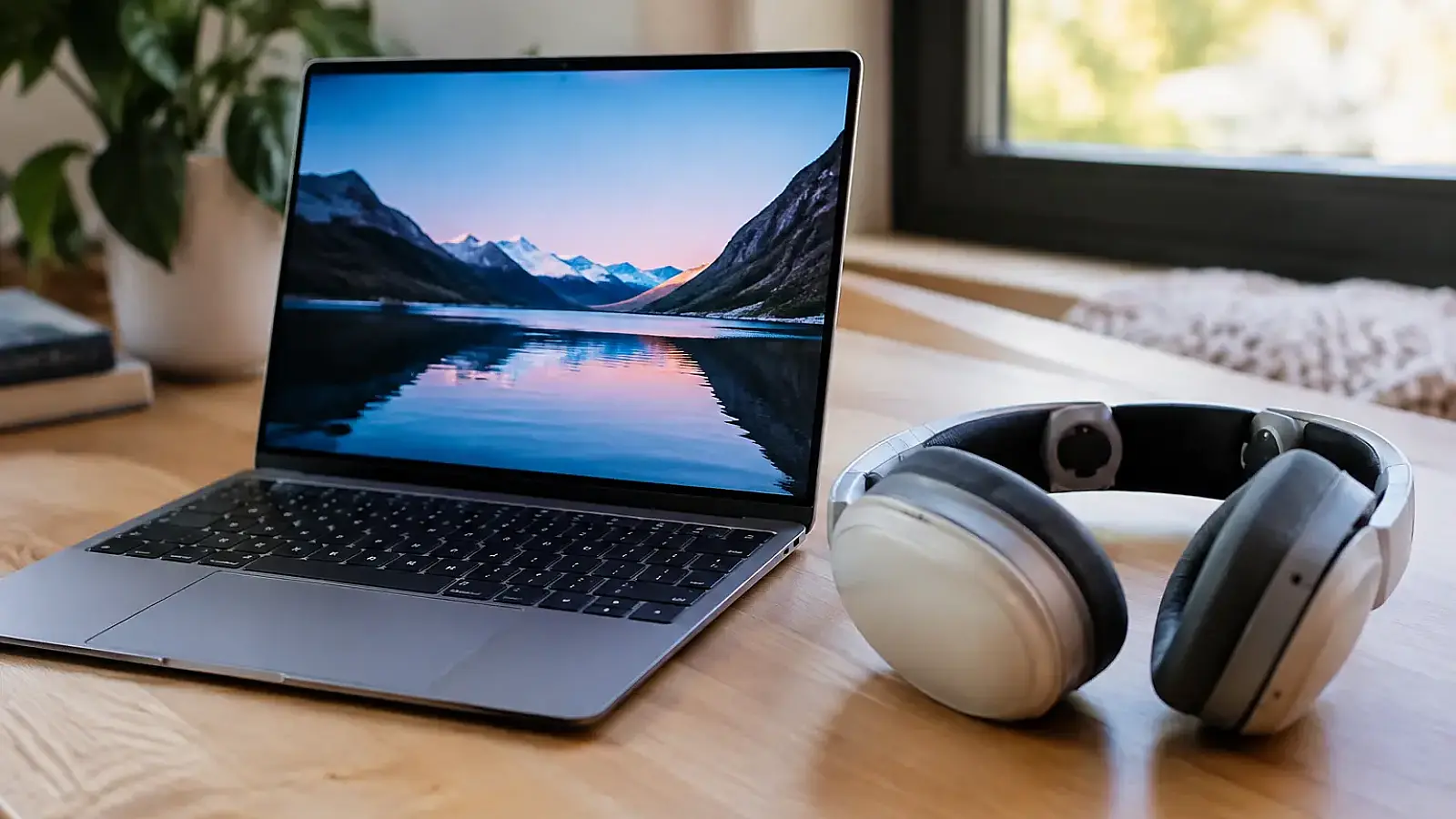
October 2026 tech launches are only beginning to arrive, but the first two days have already delivered a striking contrast: HP’s mainstream laptop refresh and a pair of headphones built to monitor brain activity.
HP announced its OmniBook 5 on October 1, positioning it as an everyday Windows laptop with an OLED screen and a starting price of $699.99. Boston-based Neurable, meanwhile, launched Neurable One, premium headphones that use sensors in their ear pads to track brain signals and present estimates of focus and fatigue.


One is a familiar device with a familiar job: help people work, study and stream. The other asks whether consumers want cognitive data alongside the steps, sleep and heart-rate readings they already collect. Both are available or expected to be available in the United States, though the companies’ details and timelines differ.
The early takeaway is less about a single breakthrough than about the range of products arriving under the AI-ready label: practical computing on one end, experimental personal sensing on the other.
HP OmniBook 5: OLED and portability for $699.99
HP says the OmniBook 5 14 AI PC is expected to arrive at HP.com and Best Buy during October, starting at $699.99. That price puts its OLED display and AI-ready positioning in reach of shoppers looking for a general-purpose computer, rather than a specialist workstation.
The company lists configurations with up to an Intel Core 7 processor and an integrated neural processing unit, or NPU, for supported AI tasks. HP says the laptop weighs 1.16 kilograms, measures 11.77 millimeters thick and has a 180-degree hinge. It includes two full-function USB-C ports.
Display specifications depend on configuration. HP lists options up to a 2.5K OLED touchscreen, with up to 620 nits brightness and full DCI-P3 color coverage. Its fine print says the 2.5K, 620-nit version is planned for March 2027; an OLED version with up to 300 nits is expected at launch. Buyers should check the exact configuration rather than assume every advertised feature comes with the base model.
HP also claims up to 42 hours of local video playback. That is a company test result, not a promise of typical mixed-use battery life: its test used locally stored video, set screen brightness and other specific conditions. Real-world runtime will vary with configuration and how the laptop is used.
For people shopping for a laptop for classes, office work or entertainment, the most concrete pitch is the combination of a relatively light build, OLED options and a $699.99 starting price. The AI-ready language is less decisive by itself; useful features will depend on the software and configuration.
Neurable One turns headphones into a brain-tracking wearable
Neurable One is the more unusual of the two October 2026 tech launches. The $499 headphones combine audio and active noise cancellation with 12 EEG sensors built into the ear pads. An accompanying iOS and Android app translates the signals into measures the company calls focus, cognitive load, cognitive speed and “brain battery.”
Neurable says the product can show when attention begins to drift, offer “neuroadaptive” audio and suggest breaks when it detects signs of mental fatigue. The company also describes weekly and monthly reports intended to help users spot patterns over time.
Those are Neurable’s product claims, not proof that the readings diagnose a medical condition or reliably measure a person’s overall brain health. The launch announcement describes a consumer tool for tracking cognitive states, but it does not provide independent clinical evidence establishing how accurate or useful the estimates are in everyday settings. That distinction matters when a product turns complex brain signals into simple scores.
The company says Neurable One is available in the United States for $499. It presents the headphones as an ordinary wearable that can gather data during work, study, rest or meditation, rather than a specialist device requiring separate equipment. That convenience is central to the idea—and so are questions consumers may want answered before buying, including how brain data is stored and used.
What to watch as the month unfolds
These first announcements offer two very different reasons to pay attention: HP is selling an accessible OLED laptop with portability as its practical hook, while Neurable is testing whether people will pay a premium for brain tracking in headphones.
For now, the HP OmniBook 5 has a clear price and an October availability window, while Neurable One is listed as available in the United States. As more products are announced or released, the useful comparison will be between what manufacturers promise and what shoppers can actually buy, at what price, and with which features. At the month’s start, that is a more grounded snapshot than treating rumors or future release dates as launches already in hand.

Sources: HP’s October 1 announcement and Neurable’s October 1 launch release.









Comments
0 comment