


How Android scam protection is changing
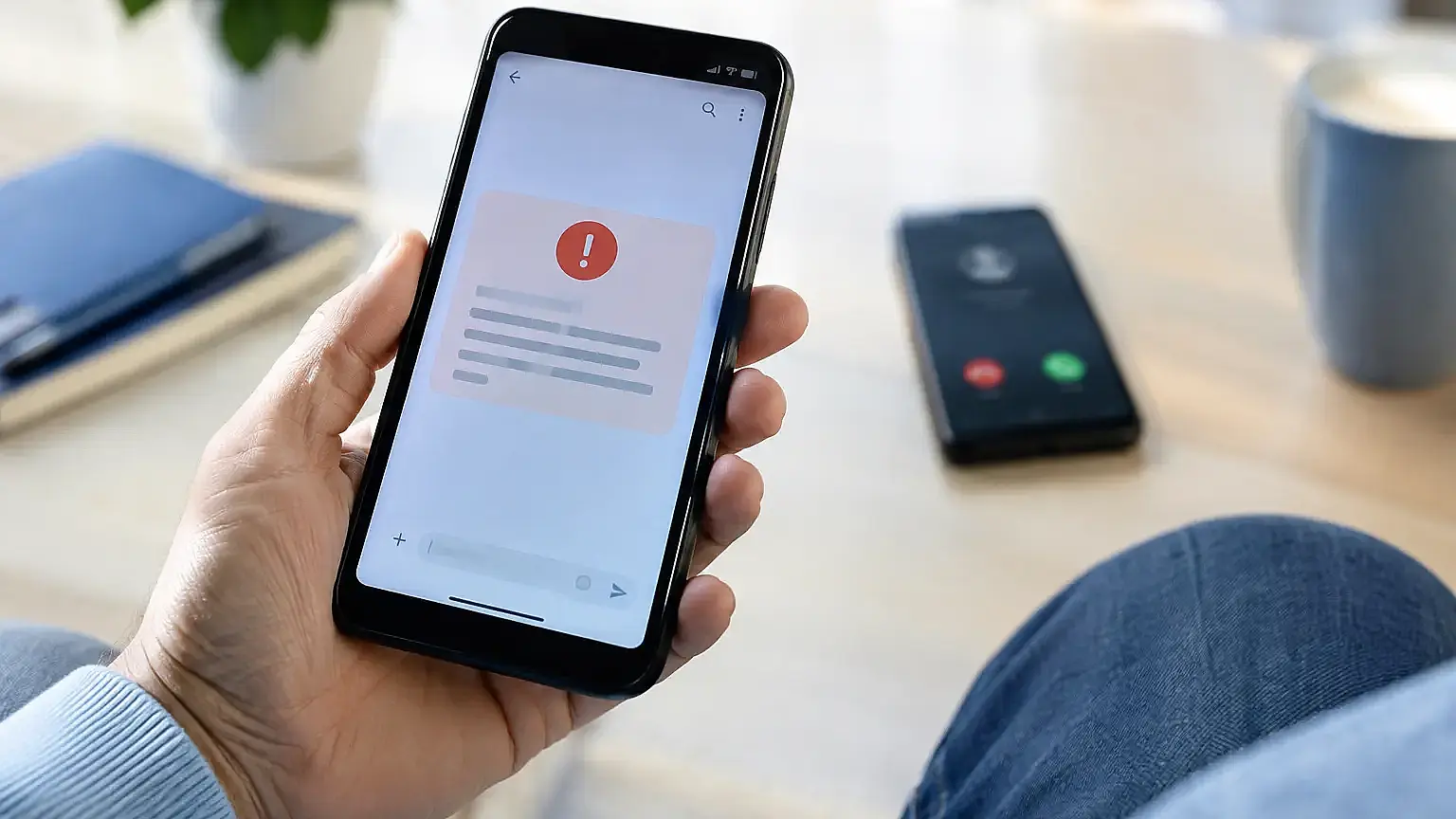
Android is adding new safeguards against scams that arrive through texts, chat apps and phone calls. The update, announced by Google on October 14, 2026, adds an optional enhanced mode in Google Messages, expands scam alerts to more Android phones and introduces protections against call-forwarding tricks and exposed information during screen sharing.
The practical takeaway: some defenses will work before you tap a suspicious link or hand over a verification code. But the rollout is staggered, features depend on your phone and region, and Google’s most advanced message checks require you to opt in.
You may also like






Android scam protection looks beyond suspicious words
Google says its AI-powered detection in Google Messages and Phone by Google flags more than five million suspected scam calls and texts each month. The company’s new Enhanced protection mode in Google Messages aims to catch more complicated schemes, including conversations that build trust gradually instead of making an obvious demand right away.
When the option is enabled, message detection can use Google’s Gemini models through Private AI Compute to assess the context of conversations with unknown senders. Google says this cloud analysis supplements existing on-device checks and processes data in a secure environment designed to keep it inaccessible to Google. This is Google’s description of its privacy design; users should review the setting and its terms before enabling it.
The mode also adds link checks using Gemini Nano on supported devices. The system can consult real-time web signals to assess unfamiliar links, including sites that may be too new to appear on conventional lists of known malicious pages. Google says redesigned warnings will also give users more context and a pause before opening links from numbers outside their contacts.
These features do not make every link or message safe. A warning is a prompt to stop and inspect, not proof that a message is fraudulent or legitimate. And because the enhanced mode is opt-in, people who do not enable it may not get its additional checks.
Call forwarding and screen sharing get new checks
Scammers sometimes persuade victims to forward incoming calls, hoping to intercept one-time passcodes used to access accounts. Android will block apps from silently enabling call forwarding in the background. If a person is tricked into entering a call-forwarding code manually, the phone will warn them before the change takes effect.
Android is also extending screen-sharing privacy protections to Chrome and Android WebView. During live screen sharing, login fields and payment screens can be blanked out, helping prevent passwords and payment details from being exposed to someone watching remotely. Google says this feature is rolling out during October to Android 15 and newer devices.
Another change will expand scam alerts in chat notifications beyond Pixel phones. Google says it is working with Android manufacturers to bring on-device warnings to hundreds of millions more users later in 2026. Availability will vary by maker and device, so the feature may not arrive everywhere at once.
What the update means for phone owners
The new protections respond to a shift in how fraud works: a scam may unfold over several messages, use a spoofed caller ID or exploit a screen-sharing session rather than rely on a crude, easily spotted text. Google’s announcement points to AI as one tool for evaluating context and suspicious links, alongside simpler safeguards that block forwarding or hide sensitive screens.
That combination matters because security tools cannot replace caution. Don’t share verification codes with callers, even when the number looks familiar. Be wary of requests to install an app, share your screen or follow urgent instructions from an unexpected message. If a caller claims to be from your bank, hang up and contact the institution through its official app or a number you already trust.

Android’s new scam protection is rolling out in stages, with some features arriving in the coming weeks and others later this year or in early December. Check your device’s settings and updates for availability. The clearest benefit is not a promise that scams will disappear; it is more chances for the phone to interrupt risky actions before they become costly mistakes.
Source: Google — blog.google/security/new-android-scam-protections










Comments
0 comment