


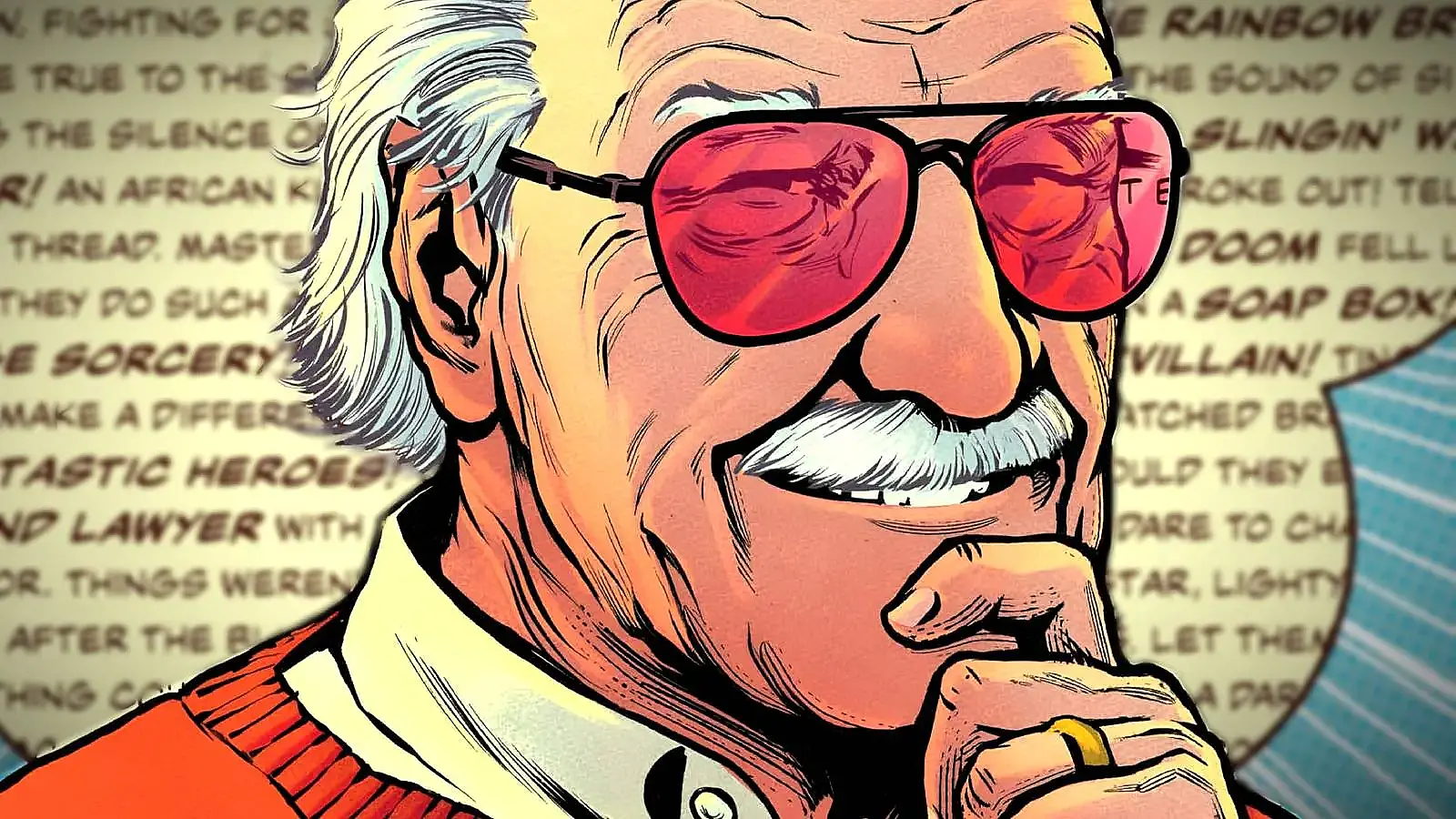
The very first comic Stan Lee ever wrote immediately proved he would become a Marvel legend. Marvel was built by a legion of visionary creators who shaped the fabric of the Marvel Universe's modern mythology. Jack Kirby’s dynamic world-building established the bedrock of the universe, Steve Ditko brought eccentric artistry to Spider-Man and Doctor Strange, and John Romita Sr. added essential elements to Spider-Man lore. In later years, Chris Claremont revolutionized superhero storytelling when he reimagined the X-Men, Jim Starlin introduced Thanos and the Infinity Gems, and Peter David gifted fans several character-defining runs on The Incredible Hulk, Daredevil, and Spider-Man 2099.
These legendary creators always stayed behind the drawing boards and script pages, or at least compared to Stan Lee, who transcended the medium to become an unmistakably omnipresent cultural icon unlike anyone else in the industry. Beyond his hand in shaping the Marvel Universe, Stan Lee’s fame skyrocketed because he transformed himself into the energetic public ambassador of comic books as a whole. Stan Lee's cameos across animated and live-action Marvel movies and shows, and even non-Marvel projects complemented his personal approach to fan interaction through the printed page and in public appearances.
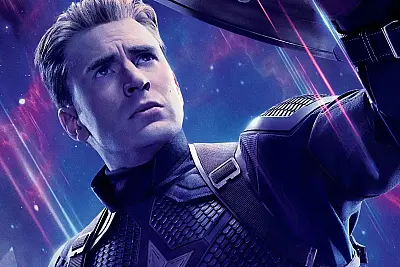
Stan Lee had to earn his place in Marvel history, but he did it almost immediately as he started his writing duties at Timely Comics.
Stan Lee's First Marvel Comic Shows How Little Captain America Has Changed
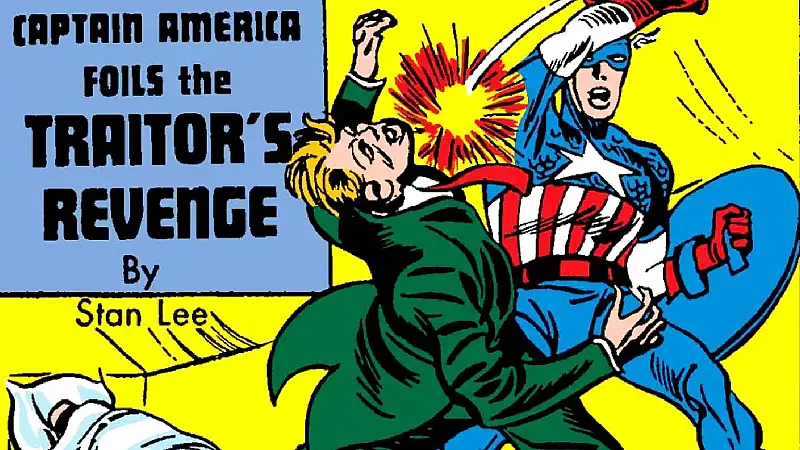
In May 1941, Captain America Comics #3 hit newsstands featuring a two-page text prose story titled "Captain America Foils the Traitor's Revenge," which marked the historic comic book debut of an eighteen-year-old office assistant named Stanley Lieber, writing under the pseudonym Stan Lee. Hired originally as a gofer by Timely Comics editor Joe Simon and artist Jack Kirby, Stan Lee was handed the assignment largely because comic magazines at the time were required by US postal regulations to include text pages to qualify for lower second-class mailing rates. The story centers on Steve and Bucky uncovering a treasonous plot by Captain Curtis, who attempts to assassinate his commanding officer.
Eighty-five years later, "Captain America Foils the Traitor's Revenge" reads like a classic WWII Captain America tale that could easily be adapted into a modern comic run. While it retains a few vintage 1940s colloquialisms and period tropes, Stan Lee's writing displays all the basics of Steve Rogers’ moral compass and duty to protect his fellow men in uniform. Most importantly, this humble text piece cemented Stan Lee's talent for storytelling without the need for panel art. Lee helped define Cap's physical and psychological heroism in his very first comic before Timely Comics became Marvel.
Stan Lee Knew Exactly What Comics Needed At A Crucial Moment In History
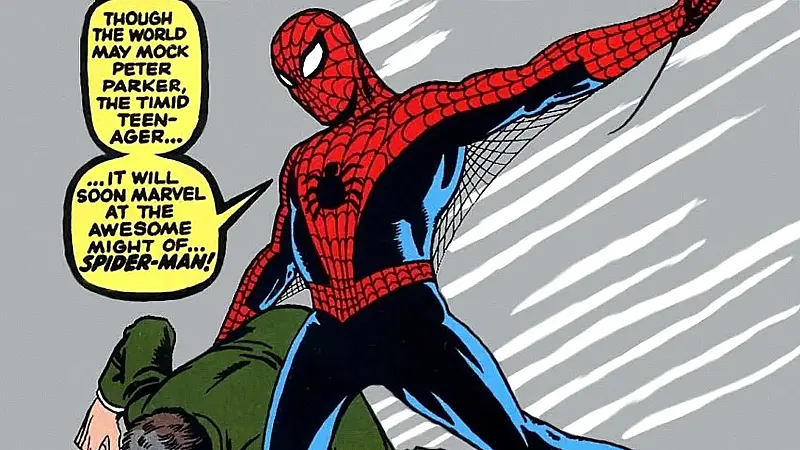
Following his 1941 debut, Stan Lee worked his way up at Timely Comics, becoming editor-in-chief at just nineteen years old. As the post-WWII market slumped and Timely transitioned into Atlas Comics, the industry hit a period of creative stagnation under strict censorship guidelines. The decisive turning point arrived in 1961 when, on the verge of leaving the industry entirely, Lee teamed up with artist Jack Kirby to create The Fantastic Four #1. Joining forces with Kirby on powerhouse titles like The Avengers, The X-Men, The Incredible Hulk, and Thor, alongside Steve Ditko on The Amazing Spider-Man and Doctor Strange, Stan Lee ignited the Marvel Age of Comics.
Stan Lee's rise to legend status was fueled by a series of bold storytelling innovations and editorial decisions that revolutionized decades of industry convention. Instead of writing infallible and distant characters, Lee helped humanized his roster with Peter Parker's everyday financial struggles, Ben Grimm's isolation, and the Avengers' constant internal friction. Lee also popularized the "Marvel Method" that provided artists with story outlines so they could choreograph the action before he scripted the dialogue around their finished pencils. Beyond the page, Lee cultivated a direct telationship with fans through his "Stan's Soapbox" column, credited entire production teams on title pages, and forged a unified brand identity with signature catchphrases like "Excelsior!"
Which Stan Lee comic is your favorite?








Comments
0 comment