


The adventure genre is one of the most enduring in literature because it taps into the near-universal desire to explore and venture into the unknown. There's an innate sense of wonder that comes from a great adventure tale. Quests for treasure, dangerous journeys, survival stories, and beyond are all built around the excitement of leaving the mundane and familiar behind.
There's no singular idea or concept that wholly defines an adventure story, but readers know it when they experience it. The genre can contain elements of horror, sci-fi, fantasy, or historical fiction. Stories of adventure have been around for centuries, dating back to ancient mythology and extending into modern times. The following are a few of the best literary examples, each representing a different take on the genre.
1 Robert Louis Stevenson’s Treasure Island Helped Create Modern Pirate Mythology
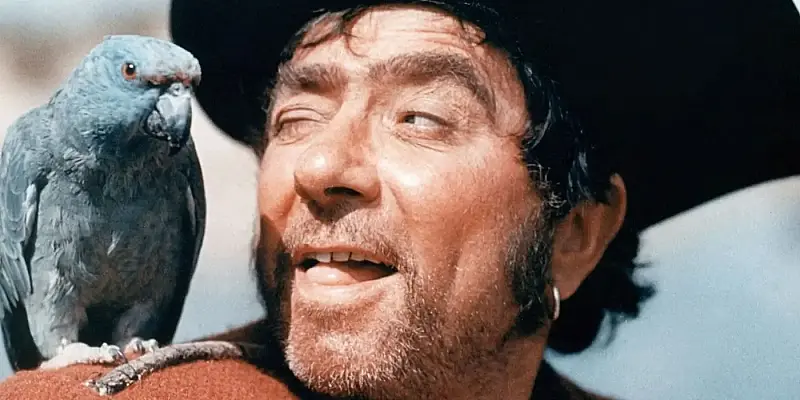
Robert Louis Stevenson's Treasure Island has been adapted to film and television several times. It was published as a complete novel on November 14, 1883, by Cassell & Co. Stevenson's novel introduced how pirates are viewed in the media, aided years later by Robert Newton's portrayal of Long John Silver in the 1950 adaptation.
The author famously drew an imaginary treasure map for his 12-year-old stepson, which sparked Stevenson's creativity to create a story around it. With Treasure Island, Stevenson popularized many famous pirate tropes, such as a one-legged captain and the "X" marks the spot on the map. For his time, Long John Silver was quite a complex character, blurring the line between villain and hero.
2 The Call of the Wild Changed Adventure Fiction
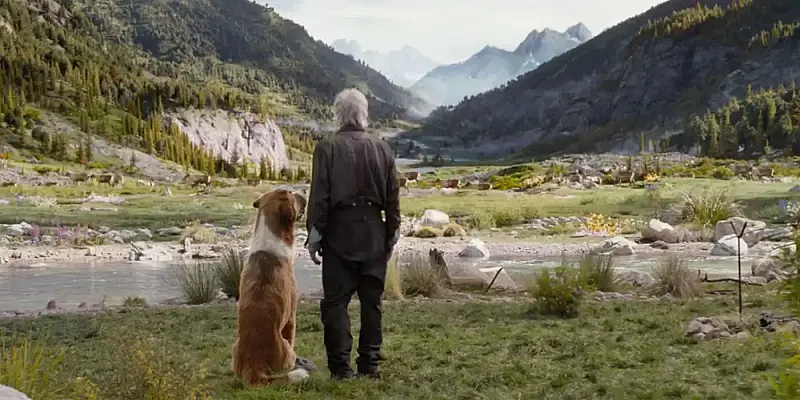
American author Jack London released The Call of the Wild in 1903 via Macmillan Publishing. London's idea to tell the story from the perspective of Buck, a pet turned sled dog, was truly revolutionary for the era. London's deal with Macmillan is still infamous to this day.
In order to pay off debts, he sold the rights to the novel for a flat fee of $2,000, and The Call of the Wild would go on to become one of the highest-selling books in history. Six years after The Call of the Wild, London wrote a spiritual successor with White Fang, telling the reverse story of a wild dog who is eventually tamed.
3 Into Thin Air Is a Groundbreaking Firsthand Experience

Released in 1997, Jon Krakauer's nonfiction book Into Thin Air detailed his horrifying experience on Mt. Everest during the Mt. Everest Disaster of 1996. Krakauer's blend of his own firsthand account and investigative journalism removed any remnants of romanticism in adventure memoirs. The memoir also worked as a strict critique of extreme commercialized guided expeditions.
Into Thin Air caused a rift between Krakauer and the climbing community. Despite the controversy, the book sold millions of copies and was a near-instant financial success. It's one of the most influential memoirs in terms of changing public perspective regarding high-altitude mountaineering.
4 Alexandre Dumas Perfected the Swashbuckling Genre With The Three Musketeers
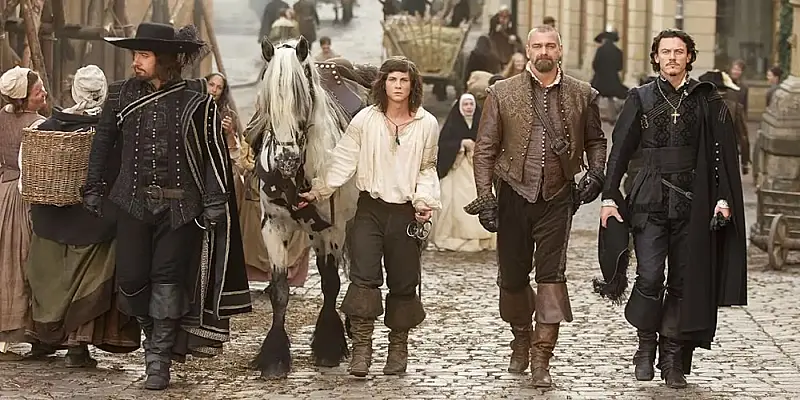
Alongside ghostwriter Auguste Maquet, Alexandre Dumas' 1844 novel The Three Musketeers helped popularize the adventure ensemble. At the time, having flawed protagonists was extremely uncommon. Dumas' creative decision to give each musketeer their fair share of vices made the characters feel relatable.
Dumas pulled inspiration from real historical figures to flesh out the characters in The Three Musketeers. The musketeers themselves were based on Gascony guardsmen. At first, the story was serialized, leading to almost instant global popularity due to the weekly cliffhanger endings.
5 Jules Verne’s Around the World in Eighty Days Celebrated the Adventure of Technological Progress

When Jules Verne first published Around the World in Eighty Days in 1872, the typical idea of an adventure novel was to explore forgotten sites or detail a high-stakes quest filled with swordplay. Verne's novel takes a different approach by highlighting contemporary technology and the ability to navigate the known world unlike ever before. He was inspired by real groundbreaking transportation feats taking place during his life.
With this method, Verne proved to readers that the real, modern world was just as thrilling as tales about long-lost jungles or pirate gold. Verne's story takes place at the same time as the novel's serialization, leading many readers of Around the World in Eighty Days to believe the race was real. During its release, it was by far Jules Verne's most commercially successful work.
6 King Solomon's Mines Is a Cornerstone of Adventure Fiction
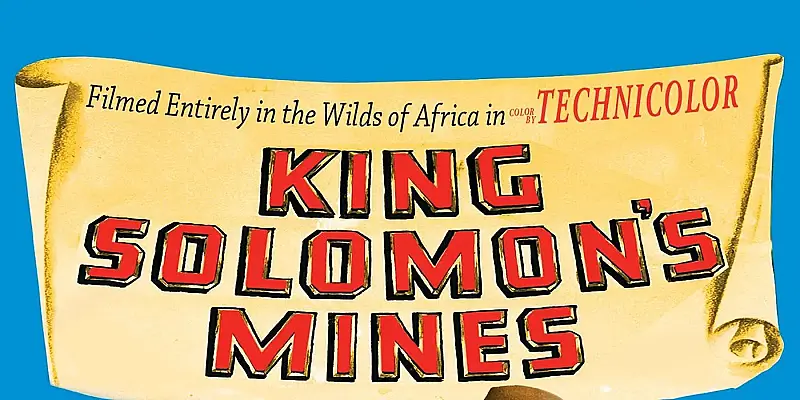
English author H. Rider Haggard was a prolific writer of adventure fiction and pioneered the idea of lost worlds awaiting exploration. Archeology was booming in the late 19th century, and Haggard capitalized on this with his 1885 novel, King Solomon's Mines. The novel introduced his recurring character Allan Quatermain, who would go on to appear in various other short stories and novels.
Haggard's King Solomon's Mines is a foundational piece of adventure fiction, inspiring creatives and providing story-type blueprints for iconic characters such as Steven Spielberg's Indiana Jones and Lara Croft. Oddly enough, Haggard wrote the story after placing a casual bet with his brother. His brother claimed that Haggard couldn't produce an adventure story that rivaled Robert Louis Stevenson's Treasure Island.
7 Herman Melville's Moby Dick Inspired Steven Spielberg's Blockbuster

Jaws author Peter Benchley and director Steven Spielberg have been upfront about the inspiration of Herman Melville's Moby Dick on their now-iconic work. Released in 1851, Melville's novel tells the tale of the obsessive Captain Ahab and the downfall of his ship through the perspective of Ishmael, a greenhand on the Pequod. Ishmael is the only surviving crewmember left alive to tell the story.Melville drew inspiration for Moby Dick from the story of the whale ship Essex, which was sunk by a whale in the Pacific Ocean. Unfortunately, during Melville's lifetime, the book was a financial flop. It was not until the 1920s that the book received its due and made its way into the cultural zeitgeist.
8 Dumas Followed Up The Three Musketeers With The Count of Monte Cristo

Alexandre Dumas captured lightning in a bottle twice in the mid 1840s. Just a few months after The Three Musketeers began its serialization in 1846, the French author released the first installments of The Count of Monte Cristo. At the time, newspapers paid by the line, so he was working on both projects at a frantic pace.
Dumas' character, Edmond Dantès, is the prototype for the classic avenger. Edmond becomes the Count through more than physical prowess, relying on patience and his intelligence. The Count is the earliest inspiration for similar characters in the future, such as Batman. The Count of Monte Cristo was such a success that it allowed Dumas to build his own castle.
9 The Hobbit is the Gold Standard for The Adventure Book

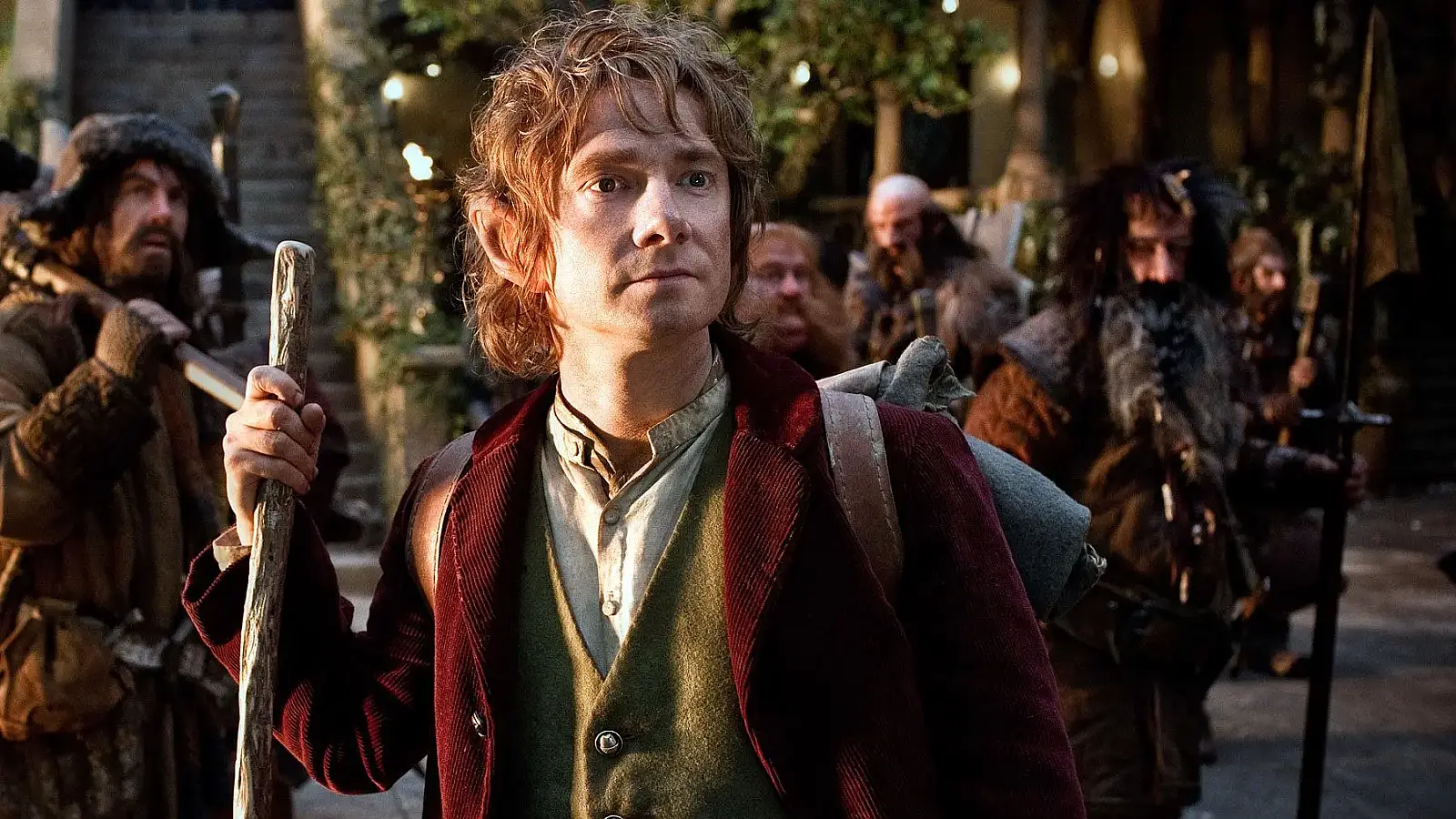
Though Tolkien fans may find Peter Jackson's live-action trilogy divisive, there's no doubt that 1937's The Hobbit is one of the most influential adventure books of all time. Due to its almost immediate commercial success, publishers wanted more stories, which ultimately led to The Lord of the Rings. The book completely sold out of its initial printing.
Many factors led to its success. With The Hobbit, Tolkien flips the idea of the standard hero upside down. Compared to most adventure protagonists, Bilbo Baggins is the relatable everyman. Bilbo survives by using his wit, intelligence, and reliance on his companions. To this day, it's one of the most popular children's adventure books and spawned what some would say is the best literary work of the modern age.
10 Homer's The Odyssey Provided the DNA For the Adventure Story

Scholars debate its origins, or if Homer was even a singular person, but one thing stands for certain: The Odyssey provided the basis for all adventure-based stories. Odysseus' journey back to Ithaca is the true embodiment of the Hero's Journey. It's the textbook definition of the storytelling technique still used in modern fiction.
The story existed orally before it was ever written down. The format of The Odyssey has directly influenced various storytelling methods, from Monster-of-the-Week to the classic race against time trope. Universally, the word odyssey itself is used to describe any adventurous journey.










Comments
0 comment