
Google Universal Cart turns scattered shopping into one list
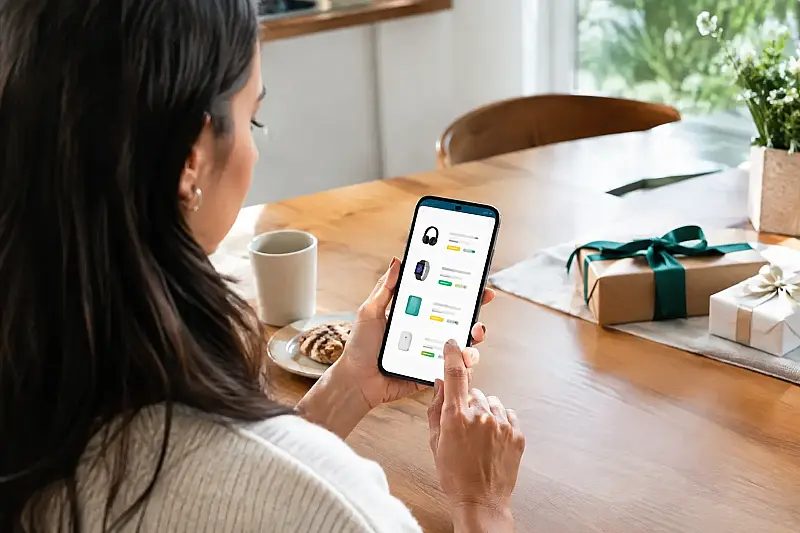
Google’s Universal Cart is now rolling out in the United States across Google Search and the Gemini app, giving shoppers one place to save products found across retailers. The practical pitch is simple: keep a holiday shopping list together, then use it to follow prices and availability instead of juggling browser tabs, screenshots and separate store carts.
Google announced the launch on October 15, 2026. The cart can hold items discovered in different Google shopping experiences, including Search’s AI Mode and Gemini. A product saved in one can appear alongside items saved in the other, so shoppers can return to a shared list rather than rebuilding it each time.
That makes the Universal Cart less like a replacement for every retailer’s checkout and more like a planning layer over shopping that already happens across Google. For people comparing gifts or household purchases from several stores, the potential benefit is less lost information and a clearer view of what they are considering.
Price and stock alerts aim to reduce repeat searches
Google says the cart can monitor saved products for price drops and restocks. Its shopping data comes from the company’s Shopping Graph, which Google describes as containing more than 60 billion product listings that are continually refreshed. When an item’s price changes or it becomes available again, the company says the cart can notify shoppers.
In practice, that feature could help someone keep an eye on a gift that is temporarily out of stock or compare a purchase over time. It may also save shoppers from repeatedly searching for the same item. The announcement does not establish that every product or merchant will support every alert, so the experience may depend on what listings are available through Google.
The distinction matters: a saved listing is not a guarantee of a particular price, inventory level or delivery date at checkout. Shoppers should still confirm the current terms on the seller’s page before paying, especially for time-sensitive holiday orders.
Checkout can stay with Google or move to the seller
When shoppers are ready to buy, Google says some participating merchants allow checkout through the cart using Google Pay. Alternatively, a shopper can transfer the items to the merchant’s site and complete the purchase there. Google named Nike, Sephora, Target, Ulta Beauty, Walmart, Wayfair and participating Shopify merchants among the checkout options.
Google says the merchant remains the seller of record and provides order confirmation and customer support. That is useful context for anyone wondering who handles an order if something arrives late, needs to be returned or does not match the listing: Google’s announcement says responsibility remains with the merchant, not the cart itself.
The company also says the cart can surface relevant promo codes and help shoppers choose among payment methods by taking card perks into account through Google Wallet. These are designed to make savings easier to spot, but shoppers should treat them as assistance rather than a guarantee of the lowest possible price. Checking a retailer’s own offer and the card’s terms remains sensible before completing a purchase.
A useful convenience, with familiar trade-offs
The launch puts Google in a more active role in the shopping journey. Instead of only helping people discover products, Search and Gemini can now help keep a running list, watch for changes and route a purchase toward checkout. For shoppers, the immediate takeaway is convenience: one Google-based place to collect products across stores and return to them later.
There are limits to what the announcement establishes. Google has not said that every retailer or product listing will support the same features, and its launch description does not promise that all purchases can be completed without leaving Google. The service is also rolling out across Search and Gemini in the U.S., rather than being described as universally available across every Google product or market.
That makes the Universal Cart most useful as a shopping organizer—not a reason to stop checking the seller, price and terms yourself. If its tracking works for the products on your list, it may cut down on tab-hopping during the busy shopping season. But the final comparison and buying decision still belong to the shopper.








Comments
0 comment