
ChatGPT visual ads: a new place for sponsored images
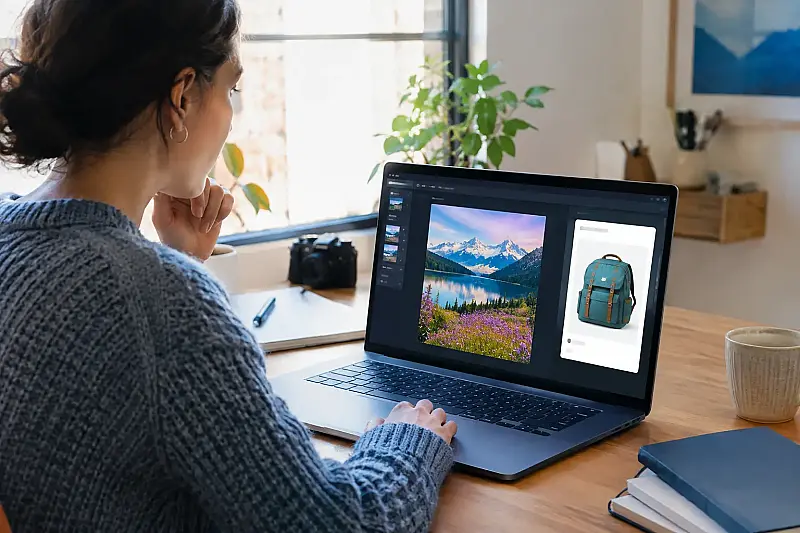
OpenAI is bringing ChatGPT visual ads into the image-making experience. The company says it will begin testing the format in the United States later this month with an initial group of advertisers. Ads are expected to appear while people generate images, not inside the images ChatGPT creates.
That placement is the notable shift. Rather than limiting advertising to text around a chatbot conversation, OpenAI wants brands to use pictures to show products, how they are used, or experiences they might enable. For people using ChatGPT to make or explore images, the test could put sponsored material alongside a creative task.
OpenAI says the ads will be clearly labeled and kept separate from the generated image. It also says advertising will not influence ChatGPT’s answers. Those are company assurances, not yet a track record of how the format will work in practice; the announced U.S. test will be the first chance to see the experience.
How the image-ad test is supposed to work
OpenAI describes the format as a way for businesses to present products visually while people explore ideas and make decisions. In the initial test, ads will appear during image generation. The company has not announced a full launch date, a final list of advertisers, or a detailed description of exactly where an ad will sit on screen.
The distinction between an ad and an AI-generated result will matter. A clearly marked sponsored image beside a user’s creation is different from a brand appearing to be part of that creation, or from a recommendation presented as a neutral answer. OpenAI says ads will remain separate from generated images and independent of answers. Users will still need to pay attention to the label and the context in which a product is shown.
The announcement concerns a test, not a general availability date. OpenAI says testing will start later in October in the U.S. with a limited initial group of advertisers. It has not said when the format might reach other countries or become available to a wider set of businesses.
A commercial experiment inside a creative tool
The move extends the company’s broader ChatGPT advertising effort into a more visual setting. OpenAI says ChatGPT reaches 1.2 billion people each week. That figure is the company’s own estimate, but it helps explain why advertisers may be interested in appearing where users are researching ideas, comparing possibilities, or creating images.
OpenAI also announced changes aimed at measuring whether ads deliver results. It is expanding integrations with customer-data and attribution providers, including Hightouch, Tealium and LiveRamp, and adding partnerships with measurement companies. Advertisers use these services to connect ad exposure with later actions such as a purchase or app install. The announcement does not mean every result can be attributed perfectly; the company says it is still developing its approach to measuring incremental impact.
For consumers, the practical question is whether sponsorship remains easy to distinguish from the assistant’s output. That question is especially relevant in a conversational product, where people may rely on responses to make decisions. OpenAI says ads will not affect answers and that conversations will remain private under its advertising principles. The company’s post does not provide a separate independent audit of those promises for this new format.
What users should watch for
The test offers an early look at how advertising might fit into AI image tools. A visual placement could make a product easier to understand than a text link, but it also brings marketing closer to the point where people are generating and evaluating content. Clear labeling and separation from the generated image will be central to whether users understand what they are seeing.
OpenAI frames the format as a discovery tool: a way to help people encounter products and imagine how they might fit into their lives. Whether people find that helpful, distracting, or too close to the creative process will depend on the actual implementation. For now, the immediate takeaway is limited but concrete: ChatGPT’s image-generation experience is becoming a test bed for sponsored visuals, beginning in the U.S. later this month.



Comments
0 comment