


Mobo brings humanoid robots into the home market
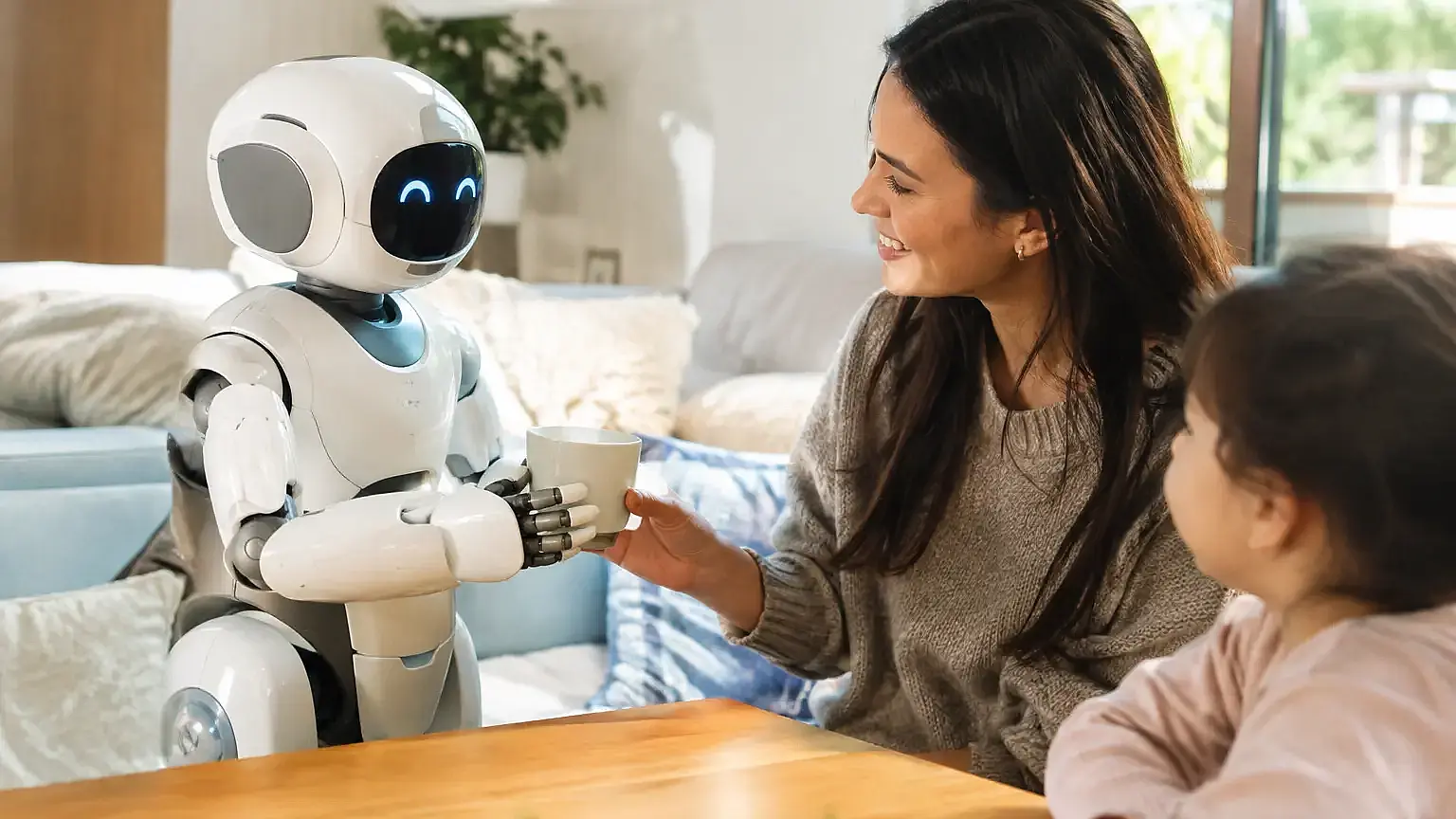
Mobo home robot preorders opened globally on October 21, after Chinese automaker Chery’s robotics brand AiMOGA introduced the humanoid companion at an event in Wuhu, China. The launch is a notable step toward marketing a robot for family life—not just commercial demonstrations—but it leaves a basic question unanswered for shoppers: what will it cost?
AiMOGA has not disclosed a price, delivery date, or detailed preorder terms in its announcement. “Global preorders” therefore signals the company’s intention to take orders internationally, but does not by itself establish when the robot will ship or where customers can buy it.
What AiMOGA says Mobo can do
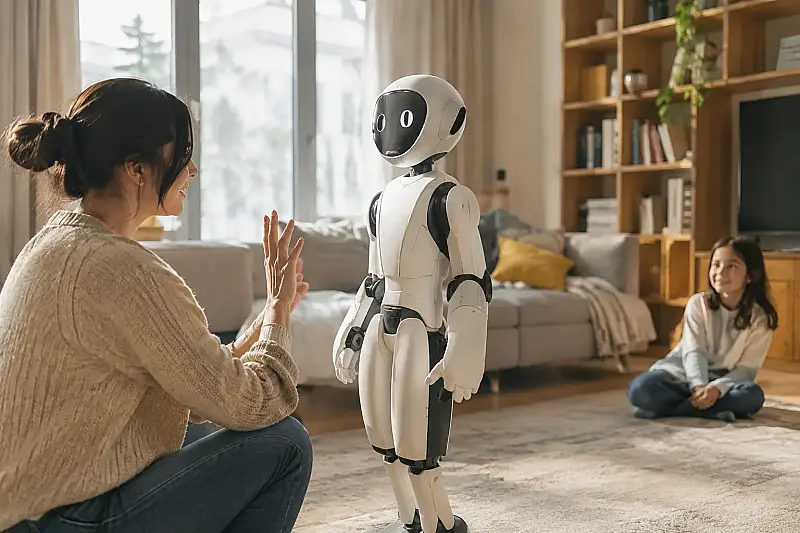
The company describes Mobo as a home companion robot with voice interaction, visual object recognition, schedule reminders and long-term memory. Its system, called MoAgent, is designed to connect perception, interaction and task execution. AiMOGA says the robot can recognize family members, remember preferences and break down longer tasks.
Those are ambitious capabilities, and they remain company claims rather than independently demonstrated everyday results. The launch announcement does not specify which household tasks Mobo can reliably complete on its own, how it handles mistakes, or how much human guidance it needs. Nor does it provide a task-by-task account of its performance in a lived-in home.
AiMOGA says Mobo has 22 degrees of freedom in body movement and uses an edge-cloud system. That architecture suggests some processing happens on the device and some through cloud services, but the company’s announcement does not explain which functions depend on an internet connection or how the split works in practice.
Privacy and usability will matter as much as AI
A robot that recognizes people and remembers preferences could make interactions feel more personal. It also raises familiar questions about home technology: what information is collected, where it is stored, who can access it, and whether users can review or delete it.
AiMOGA says Mobo provides end-to-end data privacy, but the announcement does not lay out the safeguards behind that claim. Buyers will need clearer details about data retention, cloud processing, microphone and camera controls, account security, and whether household members can opt out. These are practical buying questions, not technical footnotes, for a device intended to spend time around a family.
Usability is another open issue. A household robot needs to work around pets, children, furniture and changing routines. A launch presentation or demonstration can show an intended use, but it cannot establish how well the product copes with the unpredictable conditions of a home. Independent testing and customer experience will be important evidence.
A consumer launch, not proof of a household breakthrough
The move is part of AiMOGA’s expansion from service robots into the home. Before Mobo, the company highlighted robots for settings including product presentations, traffic services and medical guidance. The company says those efforts draw on Chery’s research and development network and automotive technology.
That background may help explain why an automaker is entering robotics: skills in sensing, motion control and manufacturing can be relevant beyond vehicles. But a home companion faces a different test from a robot operating in a more structured commercial setting. It must be useful, safe and understandable to people who are not robotics specialists.
For now, Mobo is best understood as a product launch and a signal of where AiMOGA wants to compete—not proof that a capable, affordable home humanoid is ready for ordinary households. The company has opened the preorder door, but key details needed to judge the offer are still missing.
The takeaway: Watch for the price, shipping schedule, regional availability, refund terms and independent demonstrations before treating Mobo as a practical home purchase. Until those details emerge, the announcement shows that family robots are moving closer to the consumer market, while leaving affordability and real-world usefulness unresolved.










Comments
0 comment