


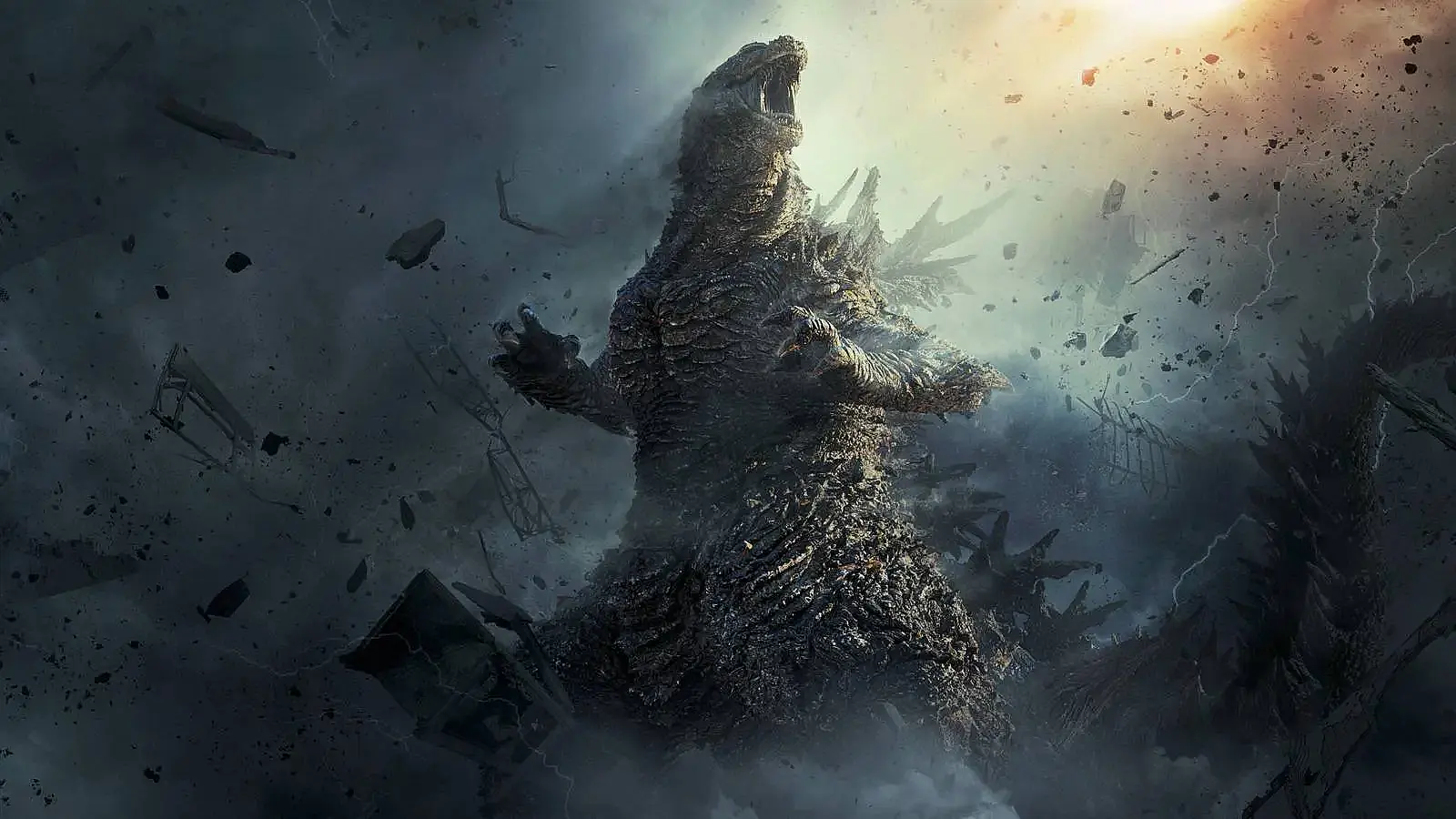
Godzilla's Latest Formula Shift Signals a New Era for the Franchise
Godzilla Minus One's cinematic triumph cannot be overstated. Toho spent decades honing and refining the franchise, but the vast majority of its films were bound to the limits of yesteryear. After the MonsterVerse's inception in 2014, however, Toho planned a comeback that turned out to be an absolute masterpiece. And now, three years later, the Japanese studio is ready for a sequel that promises to eclipse its western counterpart.
As the first example of the overarching canon to be filmed in native IMAX, Godzilla Minus Zero has a stronger foundation for excellence than its predecessor. Perhaps more importantly, it's also going to be the first Toho movie to receive an R-rating for supposedly graphic content. A combination of IMAX and a more mature Godzilla story certainly sounds like the birth of a new era for a 72-year-old franchise, and fans already can't wait for November 3, 2026.
You may also like


Every Toho Godzilla Era Developed a Unique Identity
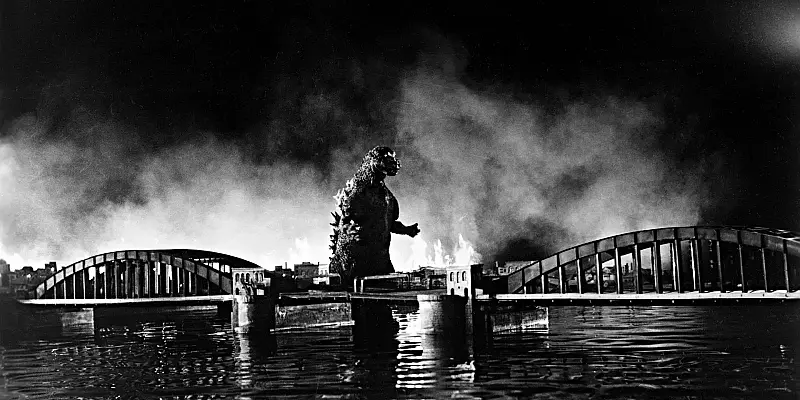
Arguably the best Godzilla movie for decades, 1954's franchise debut introduced the world to the kaiju era. Thus began the Showa timeline, ending with Terror of Mechagodzilla in 1975. The first film can be interpreted as a response to the Hiroshima and Nagasaki bombings conducted by the United States, treating the titular monster as a metaphor for unchecked nuclear proliferation.
As the terrors of the Second World War slowly faded, Japan's pop-cultural zeitgeist reshaped itself. Later installments shed the darker tones of their predecessor, embracing a radically different approach. King Ghidorah, Mechagodzilla, Mothra, Megalon, Mothra, Rodan, and several more kaiju emerged from the Showa era, diversifying the brand through the lenses of camp, slapstick, and colorful extravaganza that distanced themselves from Ishiro Honda's Godzilla.
The Heisei timeline began with The Return of Godzilla, an apt title following a nine-year break. As a sequel released thirty years after the original, it essentially reset the property, spawning a chronologically linked canon. These new films examined richer themes than before, from biological and genetic influences to environmental and technological anxieties. Extra kaiju appeared during the Heisei, including SpaceGodzilla, who will be the primary antagonist in MonsterVerse's Godzilla x Kong: Supernova (2027).
Then came the Millennium era, a brief five-year span that freshly overhauled the franchise. Instead of a singular timeline, the series followed an anthology format consisting of individual standalone movies. That said, 1954's Godzilla remained a critical reference point, with nearly every Millennium installment borrowing from the original. A notable exception was 2004's Godzilla: Final Wars, which also concluded that generation.
Presently in the Reiwa timeline, Toho's latest reboot was prompted by MonsterVerse's Godzilla. The company created a so-called "Godzilla Room" dedicated to analyzing the heterogeneous IP for more complex interpretations alongside transmedia adaptations. Shin Godzilla led to an animated film trilogy and an anime series, with Toho confirming a direct sequel in addition to several other ongoing projects. Despite the franchise's experimental success, however, Godzilla Minus One proved that traditional storytelling can still be reinvented.
Godzilla Minus One Reinvented Godzilla from Scratch
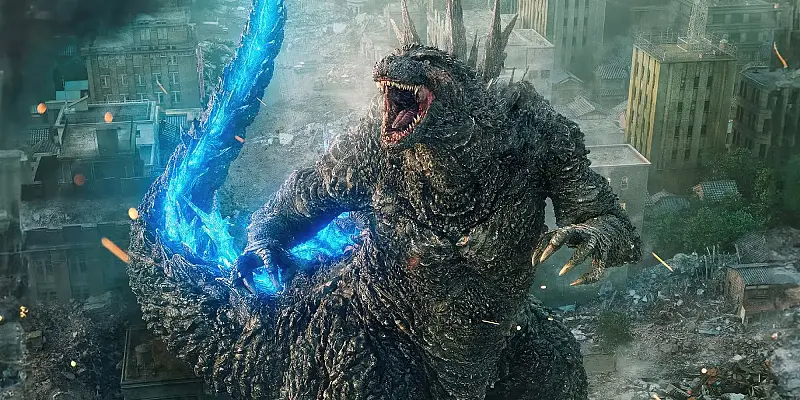
Less than a decade following the Atomic Bombings of Japan, the nation's collective trauma had been distilled into Godzilla. A mindless monster, powered by radiation and hell-bent on destruction, it highlighted the psychological scars left behind by nuclear warfare. Although Toho's various eras paid considerable homage to the 1954 film, it wasn't until Godzilla Minus One that the kaiju's symbolism properly returned to its postwar roots.
Without disposing of the past, Godzilla Minus One discards 70 years of continuity -- set nine years before Ishiro Honda's original, this 2023 feature wonders what a monster could mean to a country in the process of rebuilding itself. The title represents the answer: postwar Japan begins at zero, and Godzilla drives it below that baseline. The film is woven together by a meaningful language with old-but-gold ingredients: existential dread, communal suffering, and nightmares rendered flesh.
Takashi Yamazaki wrote, directed, and supervised the visual effects for a Toho comeback that became the first and only Godzilla movie to win any Academy Award. For context, there have been 33 installments over the last seven decades, none of which were even in contention for such a prestigious honor. Meanwhile, the MonsterVerse's five films have snagged a single Oscar nomination for Best Visual Effects, a decent achievement that still pales in comparison to this masterpiece.
As the best franchise film ever made, Godzilla Minus One is one of the greatest cinematic experiences of the 21st century. Simple yet emotionally resonant, its blockbuster splendor amplifies the painfully human condition at the heart of all great works of art. An indivisible blend of transformative drama and exquisite imagery, one can only imagine what the movie would have looked and felt like if it were filmed through IMAX-certified cameras and showcased the visceral extent of Godzilla's rampage.
Godzilla Minus Zero Makes History with an R-rated IMAX Release
The Showa series established suitmation, elaborate miniature cities, optical compositing, and pyrotechnics, but the quality varied significantly across two decades. At its best, the era possesses a textured physicality that digital technology cannot replicate. The Heisei timeline sharpened and modernized the Showa, developing the definitive kaiju aesthetic.
The Millennium films were noted for cleaner cinematography and sophisticated compositing, not to mention some of the franchise's most convoluted practical effects. Early CGI notoriously feels dated, and Godzilla was not immune. With Toho providing increasing support, the Reiwa era finally acquired the resources necessary to scale upwards indefinitely. And yet, Godzilla Minus One managed to pack an Oscar-worthy phenomenon into a production budget less than $15 million.
Industry and fan estimates of Godzilla Minus Zero's financial backing range from $15 million to $25+ million, ensuring a major visual improvement over its predecessor. Filming it in native IMAX promises an incomparable degree of scale, clarity, and immersion for a Toho production. But what fans are most curious about is the MPA's recent R-rating for "strong/bloody violence."
Japanese horror has always been willing to push violence into deeply unsettling territory, producing some of the most disturbingly graphic scenes in the century-plus history of filmmaking. From dismemberment and gore to grotesque mutations and even worse mutilations, these potent visuals can never be unseen. Godzilla Minus Zero is unlikely to share the bile-inducing flavor of cinematic nightmares like Audition and Tetsuo: The Iron Man, but the unprecedented R-rating spotlights a powerful narrative opportunity.
By refusing to camouflage the brutality of a monster, Godzilla Minus Zero will force audiences to confront the emotional cost behind every collapsing building and burning street. The aestheticized violence and depersonalized catastrophes of Toho's previous eras may finally expose the gruesome human consequences traditionally obscured by kaiju destruction. IMAX can make Godzilla bigger than ever, but an R-rating might acknowledge the lives lost to its rampage.
Source: www.cbr.com/godzilla-minus-zero-r-rated-imax-new-era






Comments
0 comment