


Apple HomeView’s family-focused smart display
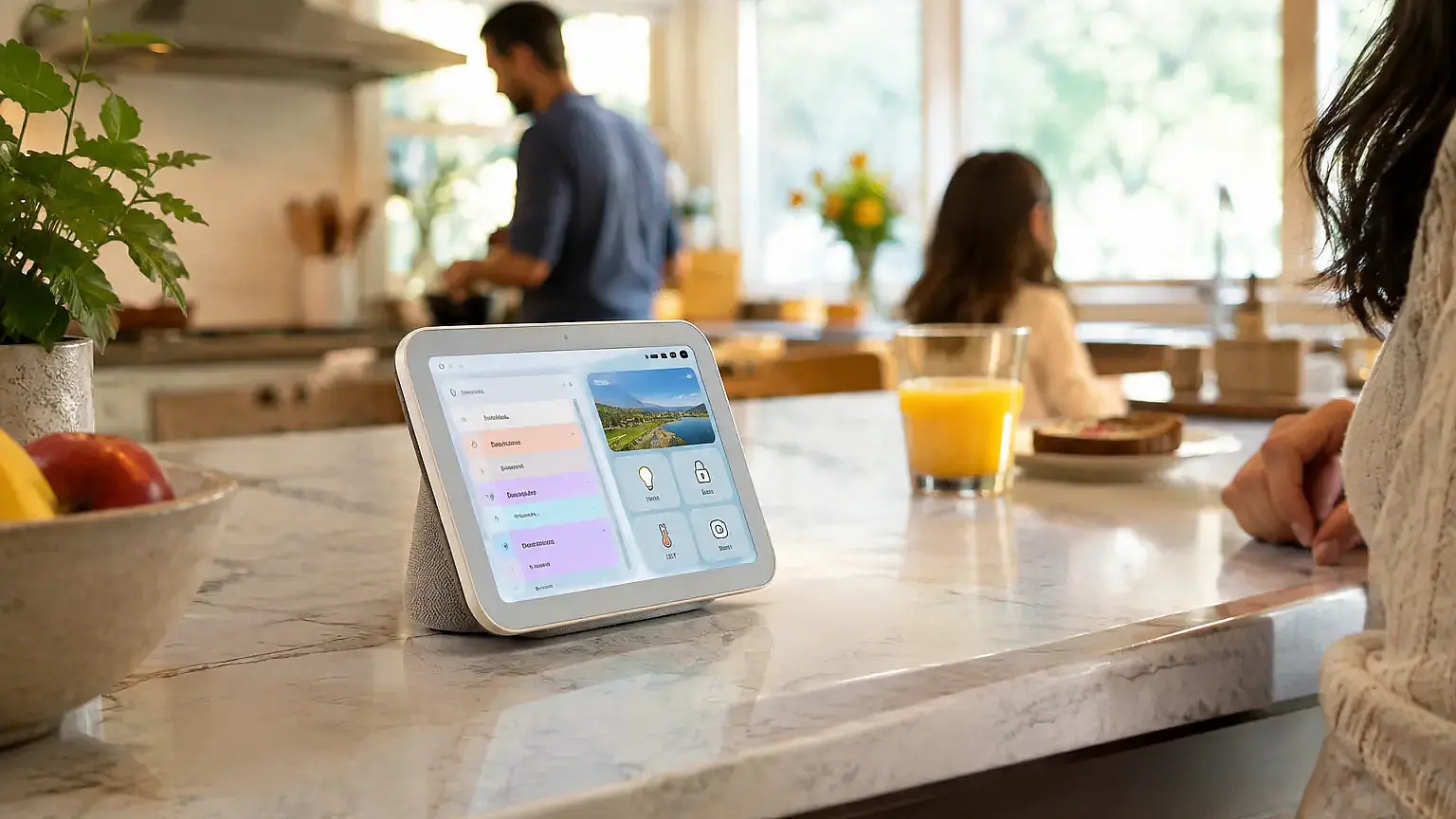
Apple HomeView puts Siri AI at the center of a family smart-home dashboard, combining a seven-inch display, household controls and personal information in one $299 device. Announced Tuesday, October 13, it is Apple’s clearest bid yet to compete with Amazon Echo Show and Google Nest Hub in the home.
The key distinction is personalization: HomeView can recognize up to six people and change what it shows based on who approaches. Apple says the screen can surface that person’s messages, calendar appointments, contacts, notes and preferred apps. That could make a shared screen more useful than a tablet displaying the same generic dashboard to everyone—but it also makes household recognition a feature buyers will want to understand before bringing the device into a busy home.


Apple HomeView makes the kitchen its showcase
Apple is pitching HomeView as a place to check a recipe, watch a video, glance at the family calendar, play music or start a FaceTime call without picking up an iPhone. The device comes in countertop and wall-mounted versions. Its camera sits on the front, while microphones and speakers are built into the base.
As a smart-home controller, the hub can respond to Siri requests to view camera feeds, adjust a thermostat, switch on lights or lock doors. Apple introduced a smart deadbolt, security cameras and a doorbell alongside it, and says HomeView can chime when someone is at the door. That pairing makes the screen more than a repackaged speaker: it is meant to be a visible control point for Apple-connected devices and services.
The company has not made the display’s role as an everyday family organizer entirely new. Calendar, Messages, Photos, FaceTime, Notes, Reminders, Music and Podcasts are among the preloaded apps, letting users access common tasks from the hub. The practical test will be whether household members actually use the shared screen instead of their phones, and whether the personalized display makes that easier rather than more complicated.
Personalization is the promise—and the question
Recognition is HomeView’s most distinctive selling point, but it also raises questions that matter in a shared room. A screen that can show messages and appointments must reliably identify who is standing nearby, and households may want to know how recognition works and what controls they have over personal information. The launch report says the device recognizes up to six people, but does not detail those privacy controls.
That distinction matters because the hub is designed for common spaces, not private desks. Apple’s pitch is that each person sees useful information without first reaching for a phone. The tradeoff is that personal content becomes part of a room’s ambient interface. Buyers should look for clear setup and privacy options before treating a shared smart display as a private assistant.
A late entry into a crowded category
HomeView puts Apple more directly against Amazon’s Echo Show range and Google’s Nest Hub, established smart displays that already combine voice assistance with screens and connected-home controls. Apple’s angle is its own ecosystem: HomeView brings Siri, Apple apps, FaceTime and smart-home accessories together. Whether that combination is compelling will depend in part on how well it works with devices people already own.
The timing also follows a long wait. Apple’s earlier HomePod products have not matched the reach of competing smart-home platforms, and the company’s plans for HomeView were reportedly delayed by Siri-related problems. Today’s announcement shows Apple is moving into the display hub market, but it does not by itself prove that its assistant or accessory lineup can match rivals in range or reliability.
Apple says preorders begin October 13, with sales starting November 13. HomeView costs $299 and will come in silver, starlight, rose pink and space gray. For households already invested in Apple services, the most useful promise is a shared screen that adapts to its users and controls the home. For everyone else, the takeaway is to wait for hands-on tests and answers about privacy, device compatibility and Siri performance before buying.

HomeView is a substantial new direction for Apple’s home strategy, not yet a proven reason to replace an existing smart display. Its success will turn on whether the personal, voice-led experience works smoothly in the everyday bustle of a real household.
Source: TechCrunch — techcrunch.com/2026/10/13/apple-makes-another-push-into-the-...










Comments
0 comment